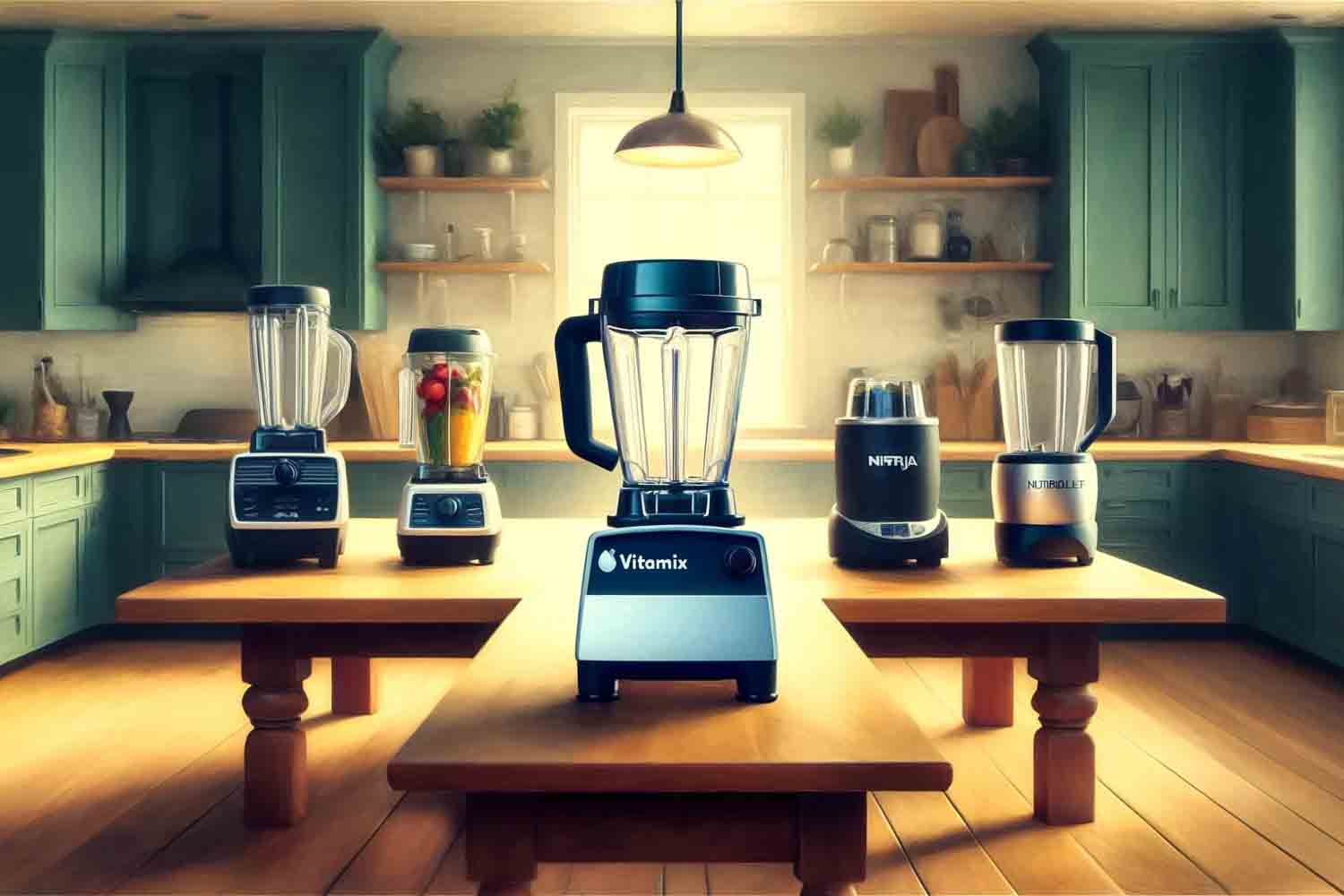
Vitamix Versus NutriBullet War Reigniting After New Budget Model Drops
A blender fight usually sounds silly until you stand in a kitchen at 7:12 a.m. with frozen strawberries stuck under the blade. That is why Vitamix versus NutriBullet has fresh heat again: the real question is no longer which brand has more prestige, but which one fits how Americans cook before work, after practice, and between grocery runs. NutriBullet’s new Power Core brings a 72-ounce pitcher and 1400-watt peak motor into budget blender territory, while Vitamix’s VX1 lowers the entry price for people who still want a heavier, premium machine. For shoppers following consumer product trends and home buying decisions, this matchup is less about fan loyalty than daily friction. A blender that makes one green drink and then hogs half the sink loses points fast. A cheaper unit that sounds powerful but leaves oat grit in a smoothie also loses. The winner depends on your counter space, batch size, texture standards, and tolerance for paying more now to avoid replacing later.
Why Vitamix Versus NutriBullet Feels Hot Again
The old blender argument was easy to frame. Vitamix was the serious kitchen tool, and NutriBullet was the small smoothie helper. That split made sense when many American buyers wanted either a restaurant-grade pitcher or a cup blender for protein shakes. The new tension comes from the middle. NutriBullet is reaching upward with a full-size blender that looks built for families, while Vitamix is reaching downward with a less costly entry model. The gap did not close. It changed shape.
When a budget blender stops feeling disposable
A budget blender used to come with a quiet warning in the back of your mind. It might blend bananas, yogurt, and milk, but kale stems, frozen mango, and almond butter could expose the weakness by Tuesday. That made the cheap choice feel temporary. You bought it because the premium one felt too steep, not because you trusted it.
The Power Core changes the mood because it brings a large pitcher, push-button settings, and enough advertised power to make people pause at the shelf. A $99.99 full pitcher machine sits in a strange spot. It is cheap enough for a college apartment, a first home, or a busy parent replacing an old blender after the motor smell appears. Yet it makes claims that used to belong higher on the wall at Target or Best Buy.
The non-obvious part is that price can improve honesty. When a budget blender costs near $100, buyers often judge it by morning use, not fantasy use. They ask whether it can make a frozen berry smoothie, a salsa, a quick soup, and pancake batter. They do not expect it to act like a chef’s prep station for ten years. That lower emotional burden helps the cheaper machine look better than it would in a spec-sheet duel.
Why entry-level premium changes the pressure
Vitamix’s VX1 answers from the other side. It trims the premium idea down to the parts that matter most: a 64-ounce container, variable speed, pulse, a self-cleaning program, and a 5-year limited warranty. It still costs far more than a NutriBullet Power Core, but it speaks to a shopper who has already killed two cheaper blenders and wants the cycle to end.
That buyer is common in the USA. Think of a family in Ohio making morning smoothies, weekend salsa, and fall squash soup. The machine is not decor. It works. If the blender stays on the counter, the extra money becomes less painful because the cost spreads across years of small jobs.
Here is the twist: an entry-level premium blender can feel less exciting than a flashy cheaper one. The VX1 does not need a long menu of presets to make sense. Its pitch is almost boring. Strong motor, solid jar, speed control, tamper, clean rinse. For a serious home cook, boring can be the feature. It means less theater and fewer weak parts.
What Actually Matters Once Fruit Hits the Blades
Once ingredients drop into the jar, brand stories get loud for about five seconds and then disappear under the motor. A good smoothie blender has to pull food down, cut it evenly, and keep texture from turning into a stringy mess. That sounds plain, but it is where many machines fail. The difference between a drink you sip and a drink you chew often comes from jar shape, blade reach, and how well the vortex moves stubborn pieces.
Texture tells the truth faster than wattage
Wattage helps, but it does not settle the debate alone. A blender can shout on the box and still struggle if ingredients bounce above the blade. Frozen pineapple, peanut butter, chia seeds, and spinach create a thick load. The motor must keep moving, but the jar also has to guide the mix back into the blade path.
That is where Vitamix has long earned its reputation. Its pitchers and tampers are built around control. You can push thick mixtures down without stopping, which matters for smoothie bowls, hummus, nut sauces, and frozen desserts. In a Phoenix kitchen where someone is making a post-gym bowl with frozen banana and little liquid, that tamper is not a luxury. It saves the blend.
NutriBullet’s new full-size blender makes a different promise. Its 72-ounce pitcher and six-point blade aim at large batches, meal prep, and family servings. For many households, that is enough. If your usual mix has enough liquid and you blend for drinks, sauces, or soup, you may not need the extra control. You may need volume, speed, and cleanup that does not turn breakfast into a project.
A full-size blender can be too large for one person
The full-size blender trend has a hidden downside. Bigger jars often need a minimum amount of food to work well. NutriBullet lists a 16-ounce minimum for smaller portions on the Power Core, which matters if you make one small dressing or a half smoothie before leaving for work. A large jar can smear ingredients along the sides and make you scrape more than you blend.
This is where the old personal blender idea still has merit. A single person in a studio apartment may get more use from a cup machine than from a powerful pitcher. Less washing. Less storage. Less noise. The best machine is not always the strongest one.
Still, a family kitchen plays by different rules. A parent making three smoothies, then blending tomato soup at dinner, will notice pitcher size before they notice countertop charm. For that buyer, a full-size blender under $150 feels like a direct attack on the old idea that big capacity must cost premium money. Vitamix answers with control and lifespan, not sticker shock. Both arguments land, but they land in different kitchens.
The Money Question Is About Years, Not Checkout Price
Most buyers start with the price tag because the price tag is honest. It does not care about your smoothie goals. It tells you what leaves your bank account today. Still, a blender is one of those purchases where the cheaper option can be a bargain or a loop, depending on use. The purchase only makes sense when you match price to workload.
Budget blender math works for lighter routines
A budget blender is easy to defend when your routine is modest. If you make two smoothies a week, blend an occasional dressing, and pull the machine out for guests in summer, spending several hundred dollars can feel like buying hiking boots for a mailbox walk. The NutriBullet side of the aisle wins because it meets the actual job.
This is also where renters and first-time homeowners should be honest. Counter space may be limited. Cabinets may be shallow. Moving every year makes heavy appliances feel like luggage. A machine that costs less and handles common recipes can be the smarter buy, even if it does not feel like the dream kitchen choice.
There is also a habit factor. People assume an expensive blender will make them eat better. It often does not. If the barrier is grocery planning, washing greens, or cleaning the jar, a premium motor will not fix the routine. The USDA’s MyPlate guidance can help with food-group balance, but the blender only supports the pattern you already build. The machine cannot create the habit alone.
When paying more becomes the cheaper move
The Vitamix case grows stronger when the blender becomes a daily tool. If you make smoothies every morning, sauces on weekends, hot soups in winter, and nut-based dips for meal prep, replacement cost matters. So does frustration. A machine that stalls, leaks, or leaves grit can make you stop using it, which wastes both food and money.
A concrete example helps. A family in Michigan that buys frozen fruit in bulk from Costco and makes four smoothies before school is not asking for a cute gadget. They are asking for repeat performance under cold, dense loads. If the jar gets rinsed and used again at dinner for a roasted pepper sauce, the blender has moved from accessory to workhorse.
The counterintuitive point is that a higher price can reduce decision fatigue. You stop shopping, comparing, waiting for deals, and reading warranty complaints. That calm has value. It may not show on a receipt, but it shows on the fourth year when the same machine still sits ready on the counter. For people building a home kitchen one serious tool at a time, small appliance buying guides should weigh use frequency before features.
Design, Cleanup, and Noise Decide the Daily Winner
Performance gets the headline, but living with a blender is more ordinary. You lift it, fill it, hear it, wash it, and decide whether it deserves counter space tomorrow. Many bad purchases happen because shoppers judge a machine at the store and not at the sink. The daily winner is the one you do not resent after the drink is gone.
Cleanup changes how often you blend
Cleaning sounds minor until peanut butter dries under the blade or berry seeds cling to the lid. Vitamix leans on self-cleaning: warm water, a drop of dish soap, and a cleaning cycle. That works well for many wet blends, though thick nut mixtures may still need hand attention around the lid and tamper.
NutriBullet counters with dishwasher-safe pitcher parts on the Power Core. That matters in homes where the dishwasher runs every night. Tossing the jar and lid into the rack can feel easier than babysitting a rinse cycle, especially after dinner. The base still needs a wipe, which is normal for countertop appliances.
The quiet truth is that cleanup preference is personal. Some people hate taking parts apart. Others hate washing a large jar by hand. A smoothie blender that fits your cleaning habits will get used more often than a stronger one that annoys you. This is why the sink test belongs next to the smoothie test. Before buying, picture the dirtiest recipe you make, not the cleanest one.
Counter space is a feature, not an afterthought
American kitchens vary wildly. A suburban kitchen with a deep island can host a tall Vitamix without drama. A Brooklyn rental or a small Dallas apartment may not. Height, weight, and cord reach can decide whether a blender lives on the counter or hides in a lower cabinet. Hidden appliances become rare appliances.
The VX1 weighs more and feels more planted. That can be good when blending dense foods because the base feels steady. It can also be annoying if you store it under the counter and pull it out each morning. The Power Core is lighter, with a large pitcher but a less imposing base. That makes it easier to move, though lighter machines can feel less anchored under tough loads.
Noise deserves the same plain talk. Powerful blenders are loud. There is no magic here. If you blend at 5:45 a.m. near a sleeping baby, a roommate, or a neighbor through thin walls, the best blender may be the one that finishes fast. A louder machine for 35 seconds can be less annoying than a weaker machine screaming for two minutes. For more kitchen planning help, countertop appliance storage ideas should treat access as part of the purchase, not an afterthought.
Conclusion
The renewed blender fight is not about one brand crushing the other. It is about the middle of the market getting crowded, which is good for buyers. NutriBullet’s Power Core makes the budget side harder to dismiss because it gives families a large pitcher, strong advertised power, and a price that feels within reach. Vitamix’s VX1 keeps the premium case alive by offering the classic feel, better control, and a longer warranty at a lower point than many people expect. Vitamix versus NutriBullet now comes down to use, not status. Choose the cheaper full-size option if your routine is smoothies, soups, sauces, and batch prep with a realistic ceiling. Choose the premium entry if thick blends, long service life, and daily dependability matter more than the checkout total. The smartest buy is the one that makes healthy food feel easier on a tired weekday. Pick for the kitchen you live in, not the one in your head.
Frequently Asked Questions
Is NutriBullet Power Core good enough for daily smoothies?
Yes, for most daily smoothie routines with enough liquid, frozen fruit, yogurt, greens, and protein powder. It makes the most sense for families or meal prep because the pitcher is large. Thicker bowls and dry-heavy blends may still favor a machine with a tamper.
Is Vitamix VX1 worth the higher price?
Yes, if you blend often and want more control over thick textures. The VX1 makes sense for smoothie bowls, soups, sauces, nut dips, and frequent frozen blends. The price feels harder to defend if you only make a light smoothie once or twice a week.
What is the best budget blender for a family kitchen?
A large pitcher model with at least simple speed control, pulse, and easy cleanup is the safest pick. NutriBullet Power Core fits that profile well for shoppers staying near $100. Families should check cabinet height, jar weight, and dishwasher space before buying.
Can a cheaper blender replace a Vitamix?
Sometimes, but not for every cook. A cheaper full pitcher blender can handle common smoothies, sauces, and soups. A Vitamix still has the edge for dense mixes, repeat daily use, texture control, and buyers who want one long-term countertop tool.
Which blender is better for smoothie bowls?
Vitamix is usually the better choice for smoothie bowls because thick frozen mixtures need strong pull and manual control. The tamper helps move food into the blade path without adding too much liquid. That matters when you want a spoonable texture.
Does blender wattage matter more than blade design?
No. Wattage matters, but jar shape, blade placement, speed control, and ingredient flow matter too. A high-watt blender can still struggle if food does not circulate well. Judge a machine by texture results, not power numbers alone.
Is a full-size blender better than a personal blender?
A full-size model is better for families, soups, sauces, and batch prep. A personal blender is better for one drink, fast cleanup, and tight storage. The right choice depends on serving size more than brand prestige.
How long should a good blender last?
A lightly used blender may last years even at a lower price. Daily heavy use changes the equation. Motors, jars, seals, and blades face more stress. Buyers who blend frozen fruit, nuts, and thick mixes every day should weigh warranty and parts support carefully.