
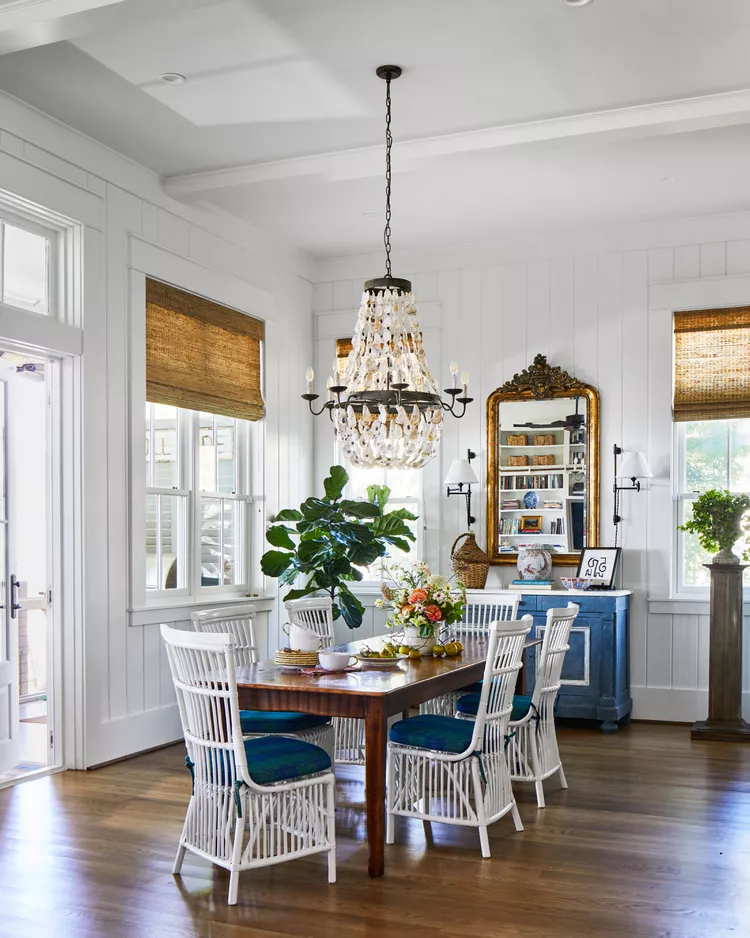
Unique Dining Concepts Events Redefining Modern Experiences
Dining has evolved far beyond simply enjoying a meal. Today’s consumers seek memorable experiences that engage multiple senses, encourage social interaction, and create lasting impressions. This growing demand has fueled the rise of unique dining concepts events, where food, sound, technology, storytelling, and atmosphere come together to create immersive moments guests genuinely remember.
As experiential entertainment continues to influence hospitality trends, restaurants and event creators are rethinking how people connect through food. Guests are no longer satisfied with standard dining environments. They want personalization, creativity, emotional engagement, and environments designed for sharing both in person and online.
Businesses that understand this shift are positioning themselves at the forefront of the hospitality industry. Innovative dining experiences now serve as powerful tools for customer loyalty, brand visibility, and audience engagement.
Why Unique Dining Concepts Events Are Growing in Popularity
Modern diners value experiences as much as products. Social media culture, lifestyle-driven spending, and consumer interest in immersive entertainment have all contributed to the popularity of experience-focused dining.
Several factors continue driving this trend:
- Consumers prioritize memorable activities over material purchases
- Guests actively seek Instagram-worthy experiences
- Younger audiences value personalization and interactivity
- Businesses use immersive events to strengthen brand identity
- Multi-sensory experiences increase emotional connection
Traditional dining environments often focus solely on food quality. While excellent cuisine remains essential, guests increasingly expect additional layers of entertainment and engagement.
This shift has created opportunities for creative hospitality businesses to experiment with sensory dining, projection mapping, live music integration, theatrical storytelling, and interactive culinary presentations.
The Rise of Multi-Sensory Dining Experiences
One of the most influential trends within unique dining concepts events is multi-sensory dining. These experiences combine visual design, curated soundscapes, lighting, aromas, textures, and storytelling to elevate the emotional impact of a meal.
Research in hospitality psychology suggests that environmental elements can significantly influence taste perception and guest satisfaction. Sound, lighting, and ambiance all shape how diners interpret flavors and emotions during an experience.
Modern sensory dining often includes:
Curated Audio Experiences
Sound design has become a major component of immersive dining. Carefully selected music and environmental audio help shape mood, pacing, and emotional tone throughout an event.
Restaurants and experiential venues now use:
- Ambient soundscapes
- Live instrumental performances
- Spatial audio systems
- Interactive music synchronization
- Genre-specific playlists matched to cuisine themes
Businesses like Echo Taste and Sound embrace this evolving relationship between culinary experiences and sound-driven atmosphere, creating environments where dining becomes emotionally immersive rather than transactional.
Visual Storytelling Through Technology
Projection mapping and digital visuals have transformed how restaurants present experiences. Walls, tables, ceilings, and serving surfaces can now become storytelling platforms.
Examples include:
- Animated table projections
- Interactive dining surfaces
- Visual journeys tied to menu courses
- Seasonal immersive themes
- Dynamic lighting synchronized with meals
These visual elements help create unforgettable experiences that guests naturally want to share online, increasing organic marketing opportunities for venues.
How Experiential Dining Benefits Businesses
Unique dining concepts events offer more than entertainment value. They also provide measurable business advantages that support long-term growth and customer retention.
Increased Customer Engagement
Immersive dining creates stronger emotional responses than traditional service models. Guests who feel emotionally connected to an experience are more likely to:
- Return for future events
- Recommend the venue to others
- Share content online
- Leave positive reviews
- Engage with the brand on social media
Experiences that combine storytelling, sound, and atmosphere encourage deeper participation from attendees.
Stronger Social Media Visibility
Experiential dining is highly shareable. Visually engaging environments naturally encourage user-generated content across platforms like Instagram, TikTok, and YouTube.
Restaurants and hospitality brands benefit from:
- Increased organic reach
- Customer-created marketing
- Higher audience engagement
- Enhanced brand recognition
- Viral content opportunities
Today’s diners often choose venues based on visual appeal and online buzz before considering menu details.
Premium Pricing Opportunities
Consumers are often willing to pay more for exclusive experiences that offer entertainment, personalization, and immersive value.
Unique dining concepts events can support premium pricing through:
- Limited-ticket experiences
- Seasonal collaborations
- Curated tasting menus
- Interactive entertainment
- Exclusive themed events
This allows hospitality businesses to diversify revenue streams while creating stronger audience loyalty.
Popular Types of Unique Dining Concepts Events
Experiential dining comes in many forms, allowing businesses to tailor concepts to specific audiences and goals.
Chef’s Table Experiences
Chef’s table events provide intimate access to culinary artistry. Guests interact directly with chefs while learning about ingredients, preparation techniques, and creative inspiration.
These events often feature:
- Limited seating
- Personalized menus
- Live preparation
- Educational storytelling
- Premium wine pairings
The exclusivity factor adds perceived value while creating meaningful guest engagement.
Immersive Themed Dining
Themed dining experiences transport guests into carefully designed environments inspired by cultures, fictional worlds, historical periods, or artistic concepts.
Popular examples include:
- Futuristic dining experiences
- Vintage-inspired supper clubs
- Interactive mystery dinners
- Cultural storytelling meals
- Cinema-inspired culinary events
These concepts blend hospitality with entertainment, attracting audiences seeking novelty and escapism.
Sound-Driven Culinary Experiences
Audio-integrated dining experiences are becoming increasingly popular within modern hospitality trends. These events synchronize music, rhythm, and environmental sound with meal progression.
Benefits of sound-enhanced dining include:
- Heightened emotional engagement
- Stronger memory formation
- Enhanced atmosphere consistency
- Improved pacing throughout the event
- More immersive guest experiences
Businesses focusing on sensory immersion continue pushing boundaries between hospitality and entertainment.
Technology’s Role in Modern Dining Innovation
Technology plays a major role in shaping modern experiential hospitality. Advanced tools allow businesses to create interactive environments that were previously impossible.
Artificial Intelligence and Personalization
AI-powered systems help venues personalize experiences based on customer preferences, dietary needs, and behavioral patterns.
Examples include:
- Customized tasting recommendations
- Personalized music profiles
- Adaptive lighting environments
- Interactive digital menus
- Real-time guest engagement analytics
Personalization improves customer satisfaction while helping businesses better understand audience behavior.
Projection Mapping and Interactive Design
Projection mapping technology transforms ordinary surfaces into immersive storytelling tools. This innovation allows restaurants to create dynamic experiences without permanent structural changes.
Interactive projection systems can:
- Simulate environments
- Animate dining tables
- Create visual transitions between courses
- Enhance thematic storytelling
- Improve audience immersion
These visual enhancements contribute significantly to memorable guest experiences.
The Psychology Behind Memorable Dining Experiences
Experiential dining succeeds because it taps into emotional and psychological engagement. Human memory is strongly connected to sensory stimulation and emotional intensity.
When guests experience multiple sensory elements simultaneously, the experience becomes more memorable.
Key psychological drivers include:
Emotional Connection
People remember how experiences make them feel. Multi-sensory environments encourage emotional engagement through music, atmosphere, and storytelling.
Novelty and Surprise
Unexpected elements trigger curiosity and excitement. Unique dining concepts events often include surprise presentations, interactive performances, or changing visual environments.
Social Sharing
Experiences that feel exclusive or visually impressive encourage social sharing behavior. Guests enjoy documenting experiences that feel distinctive and culturally relevant.
How Businesses Can Create Successful Unique Dining Concepts Events
Businesses interested in immersive dining innovation should focus on intentional experience design rather than gimmicks.
Several principles contribute to successful execution:
Prioritize Cohesion
Every sensory element should support a unified concept. Music, lighting, food presentation, visuals, and storytelling must feel connected.
Focus on Guest Comfort
Immersion should enhance comfort rather than overwhelm guests. Successful experiences balance stimulation with relaxation.
Invest in Authenticity
Guests quickly recognize forced or superficial concepts. Authentic storytelling and thoughtful execution create stronger trust and credibility.
Encourage Interaction
Interactive elements help guests feel actively involved in the experience rather than passively observing it.
Examples include:
- Chef interactions
- Live performances
- Audience participation
- Customizable menu elements
- Collaborative dining activities
The Future of Experiential Hospitality
The future of hospitality will likely continue blending entertainment, technology, and culinary creativity. As audiences seek deeper emotional engagement, businesses must adapt by creating environments that feel immersive, memorable, and socially meaningful.
Emerging trends may include:
- Virtual reality dining integration
- Adaptive AI-generated soundscapes
- Hyper-personalized tasting experiences
- Sustainable immersive dining
- Interactive global cultural experiences
Businesses that embrace innovation while maintaining authenticity will continue standing out in an increasingly competitive hospitality landscape.
Final Thoughts
The growing demand for unique dining concepts events reflects a larger cultural shift toward experience-driven consumption. Guests no longer seek only exceptional food. They want immersive moments that stimulate emotion, conversation, creativity, and connection.
By combining culinary excellence with sound, storytelling, technology, and atmosphere, modern hospitality brands can create experiences that resonate long after the meal ends.
As experiential dining continues evolving, innovative businesses like Echo Taste and Sound are helping shape the future of how people gather, celebrate, and connect through food and sensory engagement.
