
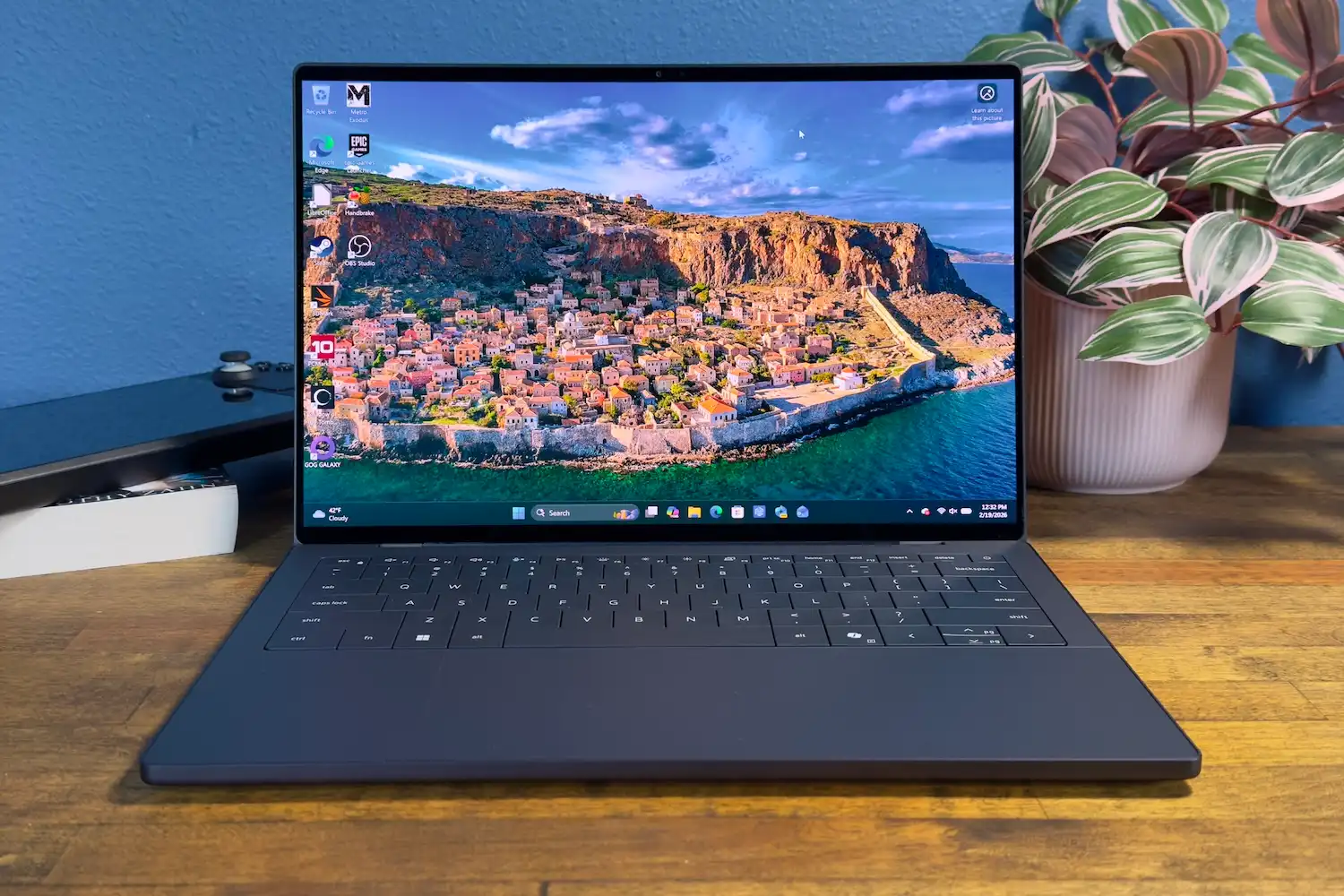
Dell XPS 15 New Version Launching With OLED Display and New Chip
A premium laptop launch only matters when it solves the daily problems people already have at their desks, in classrooms, and on flights. The Dell XPS 15 has always lived in that narrow space between thin travel notebook and serious work machine, so an OLED screen and a newer processor would raise a clear question for U.S. buyers: is this the refresh worth waiting for, or another pretty laptop that costs more than it should? The smart answer starts with restraint. Dell’s current U.S. store shows the older 15-inch model as unavailable while pointing shoppers toward newer XPS 14 and XPS 16 options, so the strongest way to judge this launch story is to focus on what the 15-inch formula must deliver next, not on fantasy specs. For readers tracking laptop news through consumer technology updates, the real story is not the badge. It is whether Dell can pair an OLED laptop display with an Intel Core Ultra chip in a premium Windows laptop that feels practical after the excitement fades.
Why the Dell XPS 15 Refresh Must Earn Its Place
A 15-inch premium notebook has a tougher job than it did five years ago. Smaller machines now handle heavy browser work, video calls, and school projects without breaking a sweat. Larger 16-inch models court creators with more screen space and stronger cooling. That leaves the middle size with a sharper task: it has to feel big enough to work on and small enough to carry without regret. The best version would not chase size for its own sake. It would defend the middle ground with comfort, quiet power, and a screen large enough for real work.
Why a 15-inch laptop still makes sense for U.S. buyers
The best case for this size is not nostalgia. It is fit. A college student in Austin can open it on a lecture hall desk without feeling boxed in. A freelance designer in Denver can work from a coffee shop table without dragging around a workstation bag. A sales manager flying from Chicago to Phoenix gets more room for spreadsheets than a 13-inch laptop gives, but does not need the bulk of a gaming rig. That is the sweet spot Dell cannot afford to blur.
That balance is why this category still matters. A premium Windows laptop is often bought as a main machine, not a side device. It has to handle tax forms in March, school portals in August, family photo edits in November, and a dozen browser tabs on any random Tuesday. The middle size wins when it disappears into that routine and does not make the owner think about trade-offs every morning.
The non-obvious part is that portability is not only weight. It is also noise, heat, charger size, palm rest comfort, and how well the screen works in a bright room. A laptop can look thin in a product photo and still feel fussy by week two. Dell’s challenge is to make the 15-inch machine feel calm under normal American workdays, including the days when it sits on a couch, a kitchen island, or a cramped shared desk.
What the new chip needs to fix beyond raw speed
A new processor should not be judged by benchmark screenshots alone. Most people do not buy a laptop to win a chart. They buy it so Zoom does not stutter while Slack is open, so Photoshop does not pause during a crop, and so the fan does not roar during a simple export. Speed matters, but manners matter more.
That is where an Intel Core Ultra chip could matter. Intel says its Core Ultra processors are built around performance, graphics, battery behavior, and AI features for modern laptops, which is the direction this class of notebook needs. The promise is not only faster work, but better division of labor inside the laptop. Some tasks can move to graphics cores or AI-focused parts of the processor, while lighter work can sip power instead of draining the battery. If Dell tunes it well, the benefit may show up as a cooler keyboard more than a flashy number.
There is a catch. Thin laptops can waste strong silicon through poor thermal limits. A chip can look impressive on paper and still slow down when trapped inside a skinny chassis. The wiser buyer should watch sustained performance, not peak speed. Five minutes of speed is easy. Two hours of steady work is the test. That is where a launch becomes a real product or a short-lived headline.
OLED Display Changes the Laptop More Than the Spec Sheet Suggests
The screen is where many buyers will notice the refresh first. Dell’s XPS line has long leaned on slim borders and polished panels, and its current XPS pages highlight OLED touch options on newer 14- and 16-inch models for richer contrast and stronger color depth. That matters because the display is not a side feature. It is the part you stare at all day. A laptop with a mediocre screen can still be fast, yet it never feels premium after the first week.
Why an OLED laptop display feels different in daily work
An OLED laptop display changes small moments. Text appears cleaner against darker backgrounds. A movie in a hotel room looks deeper. Product photos have more pop when you are building a Shopify page or checking a client gallery. Blacks look black, not gray. That sounds like a luxury until you spend eight hours looking at washed-out panels. Then it starts to feel like comfort.
For U.S. users who work from mixed spaces, the screen can shape the whole machine. A real estate agent previewing listing photos at a kitchen counter needs color that does not flatten wood tones. A student editing a short film in a dorm room needs shadow detail that does not vanish. A parent sorting vacation shots after work needs a display that makes the task feel less dull. These are not studio-only problems. They are home, school, and side-hustle problems.
The counterintuitive piece is that OLED is not always the better choice for every person. A writer who mostly works in Google Docs may prefer a lower-power LCD if it adds hours of battery life. A traveler who spends all day away from outlets may care more about runtime than perfect contrast. A beautiful display can be the right upgrade and still be the wrong default.
How screen quality affects creators, students, and office users
For creators, the screen affects trust. If a color grade looks warm on the laptop and strange on another monitor, the panel has failed its job. If a product image looks rich on the editor’s screen but flat after upload, the workflow gets slower. Good display hardware reduces second-guessing. It also lets smaller creators work without buying a monitor on day one.
Students and office users get a different gain. A sharper panel makes long reading sessions less tiring. A bright screen helps in classrooms, airports, shared offices, and sunny kitchens. Touch support can help when marking up slides or browsing long PDFs, though many people will still reach for the trackpad out of habit. The best display is the one that helps without demanding a new routine.
Dell should resist treating OLED as a showroom trick. The best version of this machine would offer display choices with honest trade-offs. Give the color-focused buyer the premium panel. Give the all-day note taker a calmer, lower-power option. Choice is not clutter when the options solve different lives. It is respect for how people use laptops after the launch video ends.
Performance, Battery, and Ports Matter More After the First Week
Launch coverage tends to celebrate the visible parts first. Thin bezels. Fresh chip name. Bright screen. Then real life arrives. The laptop has to wake fast, stay cool, connect to gear, and last through a work block without forcing you to hunt for a wall outlet. Dell’s newer XPS 14 and XPS 16 direction also shows a stronger push toward thin designs, modern Intel chips, and USB-C-heavy setups, so buyers should study the whole experience before falling for one spec.
The Intel Core Ultra chip has to prove itself under pressure
An Intel Core Ultra chip sounds like the right direction for a thin premium machine, but the processor is only one piece of the experience. Dell has to pair it with smart cooling, fast memory, a strong SSD, and power settings that do not punish the user for unplugging. That is where many sleek laptops stumble. Great parts can still feel ordinary when the system around them is tuned poorly.
Consider a wedding photographer in Nashville. The laptop may need to import large RAW files, create previews, run a browser, sync a cloud folder, and drive an external monitor. None of that is exotic. It is ordinary paid work. The machine that wins is the one that stays steady without turning the keyboard deck into a hand warmer or making the owner close half the apps to finish the job.
There is also a quiet benefit to newer laptop chips: better light-load behavior. The best improvement may happen when the computer is doing less. Email, notes, streaming, and browsing should draw less power, which leaves more battery for the hard tasks later. That is not a dramatic selling point. It is the kind of gain owners feel over months, especially when the charger stays in the bag until evening.
Why battery life claims need a skeptical eye
Battery life numbers often come from controlled playback or light browsing. That does not match a Tuesday with Teams calls, spreadsheets, Bluetooth earbuds, screen brightness at 70 percent, and a dozen tabs open. Buyers should read the fine print before treating any claim as a promise. A laptop that lasts long in a lab can still fade fast during a sales trip.
OLED adds another wrinkle. Dark mode can help on some panels, while bright web pages and white documents can drain more power than expected. That does not make OLED a bad choice. It means your work style matters. A designer viewing dark timelines may have a different experience from an accountant living in bright sheets. Two owners can buy the same laptop and walk away with different battery opinions.
Ports deserve the same practical thinking. A premium Windows laptop that depends on USB-C can still work well, but only if the buyer accepts dongles or a dock. Someone with an SD card workflow, HDMI projector needs, or older USB accessories should plan for that before checkout. The cheapest accessory is the one you knew you needed before the laptop arrived. The most annoying one is the adapter you forgot during a client meeting.
Buying Timing, Pricing, and the Smarter Upgrade Decision
A launch headline can make an older laptop feel outdated overnight. That feeling is useful for brands and dangerous for buyers. In the U.S., where laptop prices swing during back-to-school sales, Black Friday, Presidents Day, and Dell’s own deal events, timing can matter almost as much as the spec list. The point is not to wait forever. It is to know what problem the new machine is solving before the launch price starts doing the thinking for you.
When a premium Windows laptop is worth buying early
Buying early makes sense when your current machine costs you time. If your battery dies before lunch, your screen has poor color, or your software keeps slowing down, waiting for a perfect discount may be false savings. A machine that helps you earn, study, or finish work sooner can pay back the premium. That is especially true for freelancers and students heading into a fixed semester schedule.
Early buying also makes sense when the configuration is specific. Some OLED, memory, and storage combinations sell out or ship later. If you need a certain setup for school, travel, or client work, the lowest sale price may not matter if the model you need is gone. A Windows laptop upgrade checklist can help you separate needs from launch-day wants before the cart gets expensive.
The less obvious rule is to avoid paying launch money for features you will not feel. A premium Windows laptop can be overbuilt for simple browsing, email, and streaming. If that is your life, a cheaper XPS 13-style machine or a discounted last-year model may be the smarter buy. Prestige is expensive when it sits idle. A laptop should earn its desk space every day.
How to compare it with XPS 14, XPS 16, and MacBook Pro
The 14-inch option is for people who move all day. The 16-inch option is for those who want a larger canvas and can accept a bigger footprint. The 15-inch idea sits between them, which is both its strength and its risk. It must avoid feeling like a compromise no one asked for. That means the price must land with care.
Against a MacBook Pro, the question is not only speed. It is software comfort, display taste, keyboard feel, Windows needs, repair expectations, and how the machine fits with your phone, monitor, and cloud setup. A CPA tied to Windows desktop apps may not care how polished macOS feels. A video editor deep in Apple tools may not want to switch for a nicer sale price. The best laptop is often the one that fits the rest of your life.
A smart comparison starts with your daily friction. Do you need more screen width? More battery? Better color? Less fan noise? More ports? Ask those questions before you fall in love with the launch page. The right laptop is the one that removes the annoyances you already have, not the one with the most dramatic product photos. For a wider buying path, pair this model against a premium laptop buying guide before comparing sale banners.
Conclusion
The next 15-inch XPS story should be judged by how well it respects the people who buy laptops to work, study, create, and move through messy days. A sharper display and newer chip are good starts, but they are not the whole promise. The Dell XPS 15 needs to prove that its size still belongs between smaller travel machines and larger creator notebooks. If Dell gets the cooling, battery behavior, keyboard feel, and display choices right, the result could be one of the more sensible premium laptop buys for Americans who want one main machine. If it only chases shine, buyers should wait for reviews and discounts, then compare the final price against the work they expect from it. Do not buy the story. Buy the fit. Start with your real workflow, price the configuration you would keep for four years, and choose the laptop that makes your next workday easier without turning ownership into another chore.
Frequently Asked Questions
Is the new 15-inch XPS worth waiting for?
Waiting makes sense if you want a better screen, newer processor, and longer usable life from one main laptop. Buying now may still be smarter if your current machine slows your work or if discounted XPS 14 or XPS 16 models fit your needs.
What makes an OLED screen better on a laptop?
OLED gives deeper blacks, stronger contrast, and richer color than many standard LCD panels. It helps with movies, photo work, design tasks, and general visual comfort. Battery life can vary, so heavy document users should compare OLED with lower-power display options.
Is an Intel Core Ultra processor good for creators?
It can be a strong choice for mobile creators when paired with proper cooling and enough memory. The main benefit is balanced performance for editing, multitasking, and lighter AI-assisted tasks, not only higher peak speed in short benchmark runs.
Should students buy a premium 15-inch laptop?
Students should buy one if they need the screen size, build quality, and performance for demanding majors or creative work. For note taking, web research, and streaming, a lighter and cheaper model may be easier to carry across campus.
How much RAM should a premium Windows notebook have?
Most buyers should aim for at least 16GB. Creators, developers, and heavy multitaskers should look at 32GB if the budget allows. Since many thin laptops do not allow memory upgrades later, buying enough RAM upfront is safer.
Is a 15-inch laptop too large for travel?
It depends on the bag, weight, and charger. A thin 15-inch machine can travel well, but it will still feel larger on airplane trays and small café tables. Frequent travelers may prefer 14 inches unless they need the extra workspace.
Should I choose OLED or better battery life?
Choose OLED if screen quality drives your work or enjoyment. Choose the lower-power display if you write, browse, attend calls, or travel far from outlets. The better choice is tied to your daily habits, not the higher-end label.
How should I compare Dell’s premium laptops before buying?
Start with screen size, battery needs, keyboard comfort, ports, and software demands. Then compare prices for the exact memory and storage you need. A cheaper configuration is not a deal if it creates storage stress or performance limits within a year.