Ring Floodlight Camera Pro New Model Announced With Colour Night Vision
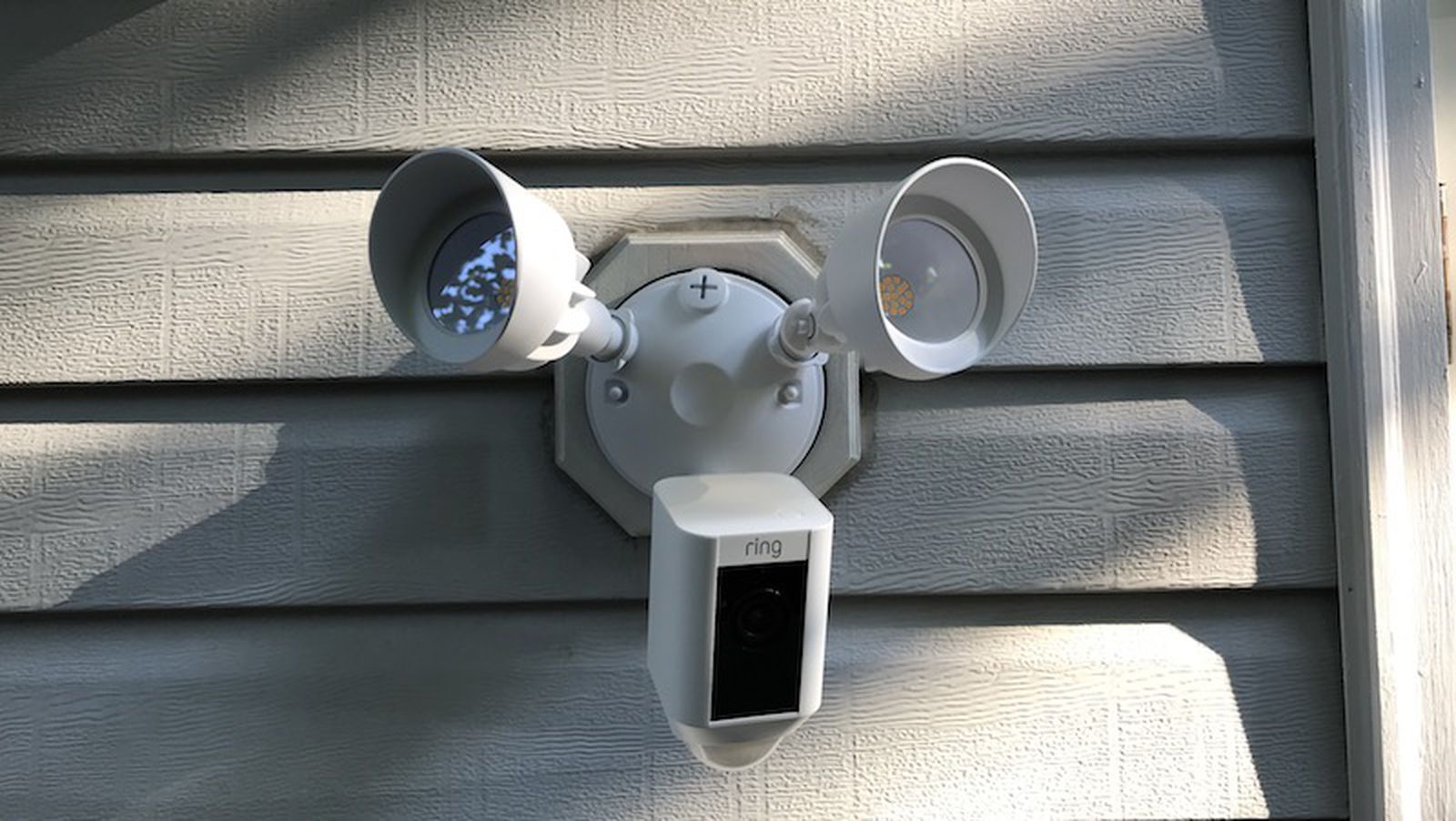
A driveway camera earns its place after the sun goes down, not at noon. The Floodlight Camera Pro matters because it aims at the messy part of home security: faces in shadow, cars moving past garage lights, and alerts that arrive too late to feel useful. For U.S. homeowners, the appeal is plain. You want a camera that sees the side gate, lights the walkway, and gives you a clip that makes sense without making you babysit your phone all night. Ring’s latest Pro-style floodlight push fits that need with stronger video, bright dual lights, motion alerts, and night footage that keeps more detail in color. That is why sites covering consumer tech security coverage keep circling back to smart outdoor cameras as a practical upgrade, not a gadget flex. A color night vision camera is not magic, though. It still depends on placement, Wi-Fi, settings, and how much light bounces off siding, cars, and wet concrete.
Why Floodlight Camera Pro Changes the Nighttime Security Conversation
Most outdoor cameras look fine when you test them at 3 p.m. That tells you almost nothing. The real test is 11:47 p.m., when a delivery box is still on the porch, the porch light is off, and a person walks across the driveway at an angle the camera does not love.
That is where this Pro-style Ring security camera makes its case. It is not only about brighter lights. It is about turning a fast night event into something you can read. A coat color. A car shape. A package moved from one side of the steps to another. Small details matter after the fact.
Why sharper video matters at the edge of the driveway
The biggest mistake buyers make is thinking floodlight brightness alone solves outdoor security. It helps, yes. But light without clear video gives you a glowing blur. A person in a hoodie can still become a washed-out shape if the camera is too high, aimed at a reflective driveway, or pointed toward a neighbor’s porch light.
A sharper Pro model is built for that edge case. Think about a two-car garage in Ohio or Texas, with the camera mounted under the eave. The near half of the driveway may look crisp, while the sidewalk sits farther out. That distance is where better video and zoom begin to matter. You may not need movie-level clarity. You need enough detail to know whether the motion was a neighbor, a delivery driver, a stray dog, or someone checking car doors.
There is a non-obvious benefit here. Better image quality can reduce anxiety, not add to it. When a clip is muddy, your brain fills in the blanks. When the clip is clear enough, you close the app and move on.
When radar alerts beat wide motion zones
Wide motion zones sound useful until your phone starts buzzing every time a truck passes. Anyone who has owned an older outdoor floodlight camera knows the pattern. You start with broad coverage. Then you shrink the zone. Then you shrink it again. Soon the camera misses the walkway because you got tired of false alerts.
Radar-powered motion detection and more careful zone control are meant to fix that frustration. The goal is not to catch every leaf. The goal is to catch movement that has a path and a purpose. A person crossing from the sidewalk toward the garage matters more than a branch shaking near the fence.
A good example is a suburban corner lot. Cars, dog walkers, bikes, and school buses create constant motion. A plain motion camera may treat all of it with the same urgency. A better outdoor floodlight camera should let you care about the path toward your property, not the whole street. That sounds small. In daily use, it is the difference between trust and alert fatigue.
Color Night Vision Solves the Problem Floodlights Created
The old floodlight idea was simple: blast the dark with light. It worked for driveways, sheds, and back doors. It also created new problems. Strong light can flatten faces, bounce off license plates, and make rain look like a swarm of white streaks.
A color night vision camera tries to make night footage feel less like evidence from a gas station monitor. You get more context from color than many people expect. A red jacket, blue sedan, brown delivery box, or green trash bin can tell the story faster than a gray clip.
Why color at night is useful only when light is planned
Color night footage needs light, but not chaos. That is the part shoppers miss. A camera can preserve color better when the scene has enough balanced light. If the floodlights hit a white garage door from close range, the camera may expose for the bright surface and leave the far edge darker than expected.
Placement fixes more than specs do. Mounting the camera so the lights spread across the driveway, not straight into a wall, can improve the clip. A homeowner in Arizona with a pale stucco exterior may need a different angle than a homeowner in Maine with dark siding and tall trees. The product is the same. The scene is not.
The counterintuitive point is that maximum brightness is not always the best setting. Sometimes slightly lower light gives the lens more room to keep detail. It feels wrong until you compare clips side by side.
How glare can ruin a good security clip
Glare is the quiet enemy of night security footage. Wet pavement, glossy car paint, glass storm doors, and snow banks can all throw light back into the lens. The camera may still record, but the important part of the image can lose detail.
This is why a Ring security camera should be treated like part of the house, not a sticker slapped near an old light fixture. Test it at night. Walk across the driveway. Stand near the garage. Open the gate. Then check the clips on your phone. If your face is clear only when you stand still under the light, the angle needs work.
A practical trick is to aim for coverage across paths, not straight at faces. People move through zones. They do not pose for cameras. A good color night vision camera setup catches that movement as it happens and keeps the clip readable after the alert.
The Real Buying Question Is Power, Placement, and Privacy
A strong camera can still be a poor purchase if your house is not ready for it. Hardwired outdoor cameras ask more from the home than battery models. They need the right box, the right height, and a Wi-Fi signal that does not collapse once the garage door closes.
This is where U.S. buyers should slow down. A Pro model can make sense over a garage, driveway, side yard, or back patio. It makes less sense in a rental where you cannot change wiring or drill into the exterior. For that buyer, smart home security buying guide content may point toward battery or plug-in options first.
Hardwired setup is the hidden commitment
Hardwired power is a blessing after installation. No battery swaps. No climbing a ladder in February. No dead camera after a week of cold nights and heavy motion. For homes with an existing exterior floodlight, the upgrade can feel natural.
But the commitment is real. You may need a proper weather-rated junction box. You may need to shut off the breaker. You may need an electrician if the wiring is old, the box is loose, or the fixture sits in a strange spot. A Florida homeowner replacing a garage floodlight may have an easy path. A renter in a Chicago duplex may not.
The less obvious issue is height. Mount it too low and someone can reach it. Mount it too high and faces turn into hats and shoulders. Many homes have floodlights placed for lighting, not video. Those are related jobs, but they are not the same job.
Smart alerts need privacy habits, not blind trust
Security cameras protect one kind of privacy while creating another question: who sees what, and when? That does not mean you should avoid cameras. It means you should set them up like you mean it.
Start with the boring stuff. Use a strong Wi-Fi password. Keep the app updated. Turn on account protections. Review shared users. The Federal Trade Commission’s home Wi-Fi guidance is worth reading because the router is often the front door for connected devices. A camera cannot be smarter than the network it sits on.
There is also neighbor privacy. Aim the camera at your property, not across the street into someone’s living room window. Use privacy zones when needed. A Ring security camera works best when it watches the space you are responsible for. That narrow focus can make the system more useful and less creepy at the same time.
Where This Ring Model Fits Against Cheaper Cameras
The market is crowded now. You can find a cheap outdoor floodlight camera online in minutes. Some look strong on paper. Some even offer local storage, bright lamps, or higher claimed resolution. The question is not whether cheaper cameras exist. They do.
The question is what kind of buyer you are. If you already use Ring doorbells, Ring Alarm, or Alexa devices, staying in the same app has real value. If you hate subscriptions or want local storage first, the answer may change fast.
When a cheaper camera is the smarter pick
Price matters because outdoor security often spreads across several areas. One camera over the garage helps. A second near the side gate helps more. A third near the backyard may matter if you have tools, bikes, or a detached shed. That is where premium pricing can sting.
A cheaper model may be smarter for a narrow job. Watching a trash enclosure. Covering a small patio. Checking whether a package arrived. In those cases, you may not need advanced motion tracking or richer night footage. You may need a dependable camera in the right spot.
The non-obvious insight is that one premium camera in the wrong place loses to two modest cameras placed well. Coverage beats ego. Before buying, walk around your house at night and name the exact spots you care about. The driveway? The side gate? The back steps? Buy for those zones, not for the spec sheet.
Why the best upgrade may be fewer alerts
People buy cameras to see more. Then they learn the better goal is to be bothered less. A system that alerts you twenty times a night teaches you to ignore it. That is dangerous because the one alert that matters arrives dressed like the nineteen that did not.
This is where a Pro setup can earn its cost if the settings are tuned with care. Motion zones, sensitivity, person alerts, and light schedules should match how the home lives. A household with teenagers coming home from work needs different settings than a retired couple in a quiet cul-de-sac. A dog using the backyard at night changes the setup again.
For readers building a broader system, home Wi-Fi setup tips matter as much as camera selection. Weak signal creates missed clips, slow live view, and delayed alerts. The best outdoor floodlight camera cannot fix a router buried behind a TV three rooms away.
Conclusion
The smartest way to judge this new Ring model is not by asking whether it has the brightest lights or the longest feature list. Ask whether it solves your real nighttime problem. If your driveway clips are too dark, your alerts are too noisy, or your current camera turns every person into a gray shape, the upgrade starts to make sense. That is where Floodlight Camera Pro earns attention from U.S. homeowners who want clearer outdoor coverage without turning the house into a security project. Still, the camera is only half the decision. Placement, Wi-Fi strength, privacy settings, and subscription comfort all shape the final experience. A color night vision camera can help you see more, but a thoughtful setup helps you understand more. Before buying, stand outside after dark, look at the paths people use, and choose the spot that tells the clearest story.
Frequently Asked Questions
Is the new Ring floodlight camera worth buying for a U.S. home?
Yes, it can be worth buying if your main concern is a driveway, garage, side yard, or back entrance. It makes the most sense when you already use Ring products and want brighter lighting, cleaner alerts, and stronger night footage in one app.
Does color night vision work without the floodlights on?
It depends on available light. A color night vision camera needs some light from floodlights, porch lights, streetlights, or nearby surfaces. In total darkness, footage may lose color or depend more on night-vision processing, so placement still matters.
Can renters install a hardwired Ring floodlight cam?
Most renters should ask the property owner first. Hardwired models usually replace an existing exterior light fixture and may require changes to wiring or mounting. A battery or plug-in camera may be a safer choice when lease rules limit exterior changes.
What is the best place to install an outdoor floodlight camera?
The best spot is above a garage, side gate, back door, or driveway path where people naturally move through the frame. Avoid aiming straight at reflective walls, windows, or parked cars because glare can weaken night footage.
Do Ring cameras require a subscription to record video?
Live view and basic alerts may work without a plan, but saved video history and some smarter features often depend on a paid Ring plan. Buyers should price the camera and the monthly plan together before deciding.
Is a Ring security camera good for package theft?
Yes, it can help if the camera clearly sees the porch or delivery zone. For package theft, angle matters more than height. The camera should capture the person approaching and the package location, not only the top of someone’s head.
How strong should Wi-Fi be for an outdoor camera?
The signal should be stable at the exact mounting spot, not only inside the house. Test live video near the fixture before installation. Garages, brick walls, metal doors, and distance from the router can all weaken performance.
What should I compare before buying a floodlight security camera?
Compare video clarity, night performance, power type, storage options, alert controls, app quality, and total cost over time. A cheaper camera may work for a small patio, while a Pro model may fit a busy driveway better.