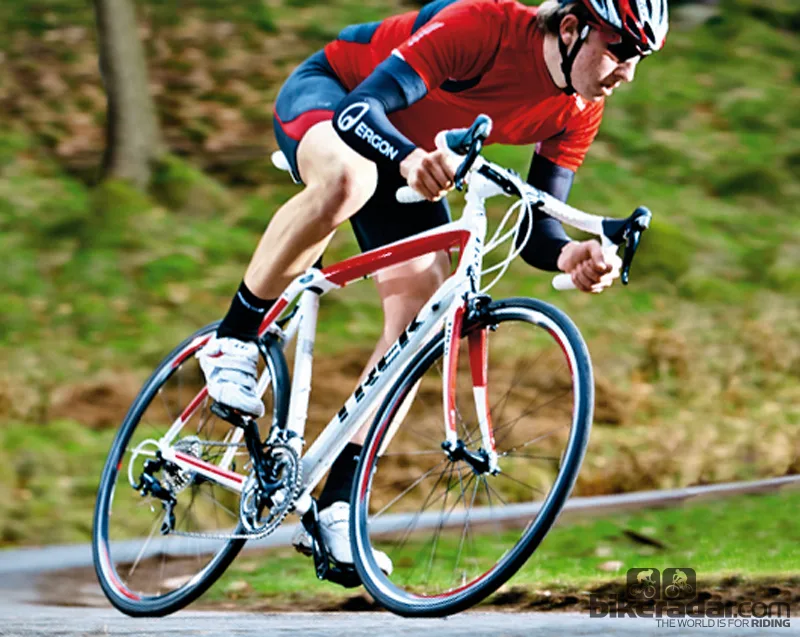
Trek Domane Road Bike New Carbon Version Launching at Competitive Price
Most riders shopping for carbon are tired of paying race-bike money for weekend comfort. The Trek Domane enters that mood with a clearer promise: give American riders a carbon frame, long-ride manners, tire room, and a price that does not feel built only for sponsored racers. That matters if your rides include cracked county roads outside Dallas, chipseal in Iowa, bridge seams in New Jersey, or Sunday group routes that wander onto hard-packed gravel. The better question is not whether carbon sounds fancy. It is whether the bike makes you want to ride farther after mile 42, when sharp handling alone no longer feels like a gift. For buyers tracking cycling product coverage, this launch is worth watching because it sits where many real upgrades happen: below dream-bike territory, but above the entry tier where compromises show fast. A good endurance build should feel quick on pavement, calm on tired hands, and practical enough to own without babying it.
Why Trek Domane Pricing Feels Different in the Carbon Category
Carbon used to carry a strange tax. You paid for the frame first, then swallowed weak wheels, average tires, or a parts mix that made the bike feel less special than the receipt. This launch has more pressure on it because U.S. riders now compare complete ownership, not showroom weight. They want a carbon road bike that feels finished on day one, not a project hiding under a glossy paint job.
That pressure comes from local shop reality, too. A buyer in Kansas City or Sacramento may walk into a Trek dealer, ask about a model, and then add pedals, shoes, a helmet, lights, and a fit appointment. The bike is never the only line on the bill. A fair carbon bike price gives the rider room to finish the setup without turning the purchase into a financial wince.
Carbon road bike value has changed
A decade ago, many riders treated carbon like the finish line. Get the frame, then upgrade around it. That logic feels dated when tires, gearing, fit parts, and brake quality shape the ride so much. A frame can be light and still leave you fighting numb palms after one rough loop.
The smarter value test starts with the route. A rider in Phoenix may care about stable braking on fast descents and heat-scarred pavement. A rider near Boston may care more about broken shoulders, pothole patches, and wider tires for spring roads. In both cases, a carbon road bike earns its price when the whole package works together.
That is why a competitive tag matters here. It does not make the bike cheap. It makes the buyer less trapped. You can put money toward pedals, a fit session, bottle cages, tubeless setup, or a better saddle without feeling as if the full budget vanished into the frame alone.
There is another shift hiding beneath the price talk. Riders are less impressed by a bare frame claim and more alert to the parts they touch each ride. Bar shape, tire casing, brake feel, and saddle choice decide whether a bike becomes a favorite or an expensive wall ornament. Carbon still matters, but it no longer gets a free pass.
Why the fit matters more than the frame story
The quiet truth about endurance bikes is that fit sells the second month, not the first ride. A short test spin outside a shop can make almost any new machine feel exciting. After several longer rides, your back, neck, and hands give the honest review.
The Domane platform has long leaned toward distance riding, which is different from feeling slow. A slightly calmer position can help you hold speed because you stop wasting energy fighting the bike. That is the part many buyers miss. Comfort is not a sofa. Comfort is efficiency that lasts.
Consider a rider training for a charity century in North Carolina. They may average 17 mph on a weeknight ride and still dread rough farm roads after the halfway stop. A pure race bike may feel electric for 30 minutes, then punish poor flexibility. An endurance road bike can feel less dramatic in the parking lot and better when the ride turns into real time on the saddle.
Fit also decides how much of the bike you can access. A rider with tight hips may never enjoy an aggressive front end, no matter how expensive the frame is. Another rider with long arms may need a cockpit change before judging comfort. The lesson is simple. Test the position, not the logo.
What the New Carbon Version Should Fix for Real U.S. Roads
The U.S. is not one road surface. It is sun-baked asphalt, winter cracks, road salt scars, railroad crossings, park paths, and random gravel connectors behind suburban neighborhoods. A bike aimed at this market cannot act like every ride happens on fresh blacktop. The friction is clear: riders want speed, but their roads keep asking for forgiveness.
A good carbon endurance bike should make those roads feel less like obstacles and more like part of the ride. It should help you stay relaxed over buzz, hold a line when pavement gets ugly, and carry the small gear that makes a ride less stressful. That is where features such as tire room, frame storage, and sensible mounts begin to matter. They are not extras for people who pack too much. They are proof that the bike was designed for real routes.
Endurance road bike comfort is not a soft idea
Comfort gets talked about as if it belongs to casual riders. That is backwards. The faster you ride, the more small hits matter. Buzz through the bar, saddle chatter, and a stiff rear end can drain you before your legs are done.
A good endurance road bike lowers that tax. It keeps the rider fresher so the final hour of a ride does not become damage control. That can matter on a 70-mile route near Austin, where a sunny morning can turn into a windy grind home. It can also matter on a 25-mile after-work loop when your shoulders are already tight from a desk.
The counterintuitive part is that a slightly calmer bike may help some riders go faster. Not in a lab sprint. In the messy ride most people do. If you can stay seated over rough patches, brake later with confidence, and keep your hands relaxed, speed becomes steadier. Less drama often means more pace.
There is a mental side, too. A harsh bike makes you scan the road with fear, hunting every crack before it bites. A calmer frame lets you look farther ahead. That changes the ride. You steer with less panic, choose better lines, and finish with enough patience to ride again tomorrow.
Tire room changes the weekend plan
Tire clearance may sound like a small spec until your route choices change. A frame with room for wider rubber lets you build the bike around your roads instead of avoiding half of them. That can turn a strict pavement loop into a mixed ride with a park trail, a farm lane, or a hard-packed canal path.
This matters for buyers who do not want a garage full of bikes. One carbon frame that can handle quick road tires during the week and more forgiving tires for a weekend adventure has a different kind of value. It is not pretending to be a full gravel bike. It is saying the line between road and light gravel has become less strict.
A practical example: a rider in Colorado’s Front Range may start on neighborhood pavement, climb a paved canyon, then cut across a packed dirt connector to avoid traffic. Narrow race tires make that shortcut feel risky. Wider tires make it normal. That freedom is easy to overlook on a spec sheet and hard to give up after you have it.
Tire choice also affects cost. If the frame supports a range of widths, you can tune ride feel with rubber before chasing expensive wheel upgrades. A fresh set of high-quality tires can change comfort, grip, and confidence for far less than a new wheelset. For many riders, that is the first smart upgrade.
How This Build Competes Against Flashier Race Bikes
A flashy race bike wins attention fast. Deep wheels, sharp tubes, slammed bars, and pro-team paint can make an endurance frame look modest beside it. The tension is that most riders do not live inside a finish-line photo. They live with stop signs, traffic lights, rough shoulders, work stress, and group rides where nobody cares about your head tube angle after the coffee stop.
The Domane’s harder job is to win after the first impression. It has to feel composed when the route gets chopped up, quick enough when the group lifts the pace, and practical when you need to carry a tube, plug kit, and jacket. That mix may not look as dramatic in a shop window. On a long ride, it can feel more grown-up.
Carbon bike price only tells half the story
The phrase carbon bike price can trick you into thinking the lowest number wins. It does not. A low sticker can hide parts that you will replace within months. A high sticker can include race features that do nothing for your riding. The fair question is simple: what does the money change on the road?
On a carbon endurance bike, the answer should be felt in longer rides, steadier handling, wider tire options, safe braking, and less fatigue. If those things show up, the price starts making sense. If they do not, the bike is selling you material more than experience.
This is where a road bike buying guide can help before you walk into a shop. Write down the rides you plan to do, the roads you actually use, the steepest climbs near you, and how often you ride beyond two hours. That list will protect you from buying the bike that photographs best instead of the bike that fits your life.
Drivetrain choice deserves the same plain thinking. Electronic shifting feels clean and exact, but a well-tuned mechanical group can serve many riders with less cost and less charging anxiety. Neither choice proves you are serious. The right choice is the one that suits your budget, maintenance style, and patience.
The hidden cost is the first upgrade
Many riders forget the first upgrade when they compare bikes. Tires, saddle, computer mount, pedals, cages, repair kit, tubeless valves, and maybe a fit appointment can add up fast. A bike that leaves room in the budget may beat a pricier model if both feel close on the road.
The hidden cost is not only money. It is attention. A new buyer who spends the first month swapping parts may never settle into the ride. A better complete build lets you ride more and shop less. That sounds plain, but it is a serious advantage for people who buy one quality bike and expect it to serve for years.
There is also resale to consider. Endurance bikes with known names, practical tire space, and broad fit appeal tend to make sense to more secondhand buyers. A pure race machine can be desirable, but the audience is narrower. A well-kept Domane may attract the rider who wants comfort, speed, and brand support without chasing an elite race setup.
Then there is service. A bike sold through a deep dealer network can save time when a brake rub appears before a weekend event or a creak shows up after rain. Online-only value can look tempting. Local help has value when the bike needs hands, not another email thread.
Who Should Buy It, Wait, or Choose Aluminum Instead
A competitive carbon launch does not mean every rider should buy carbon. That is where many bike conversations get silly. Material is only one part of the decision. Your roads, storage, budget, maintenance habits, and riding goals matter more. The right answer may be carbon, aluminum, used, or waiting for a better parts mix.
The cleanest way to decide is to picture a normal month, not an ideal one. How many rides will you take? Where will the bike sleep? Will it see rain, car racks, crowded stairwells, or indoor trainer sweat? A purchase that ignores these dull details can turn sour. A purchase that respects them tends to age better.
When a carbon road bike earns its place
A carbon road bike earns its place when you ride enough to feel the difference and care enough to maintain it. If you do regular 40- to 80-mile rides, join group rides, train for centuries, or want one refined machine for pavement with some light mixed-surface routes, carbon makes sense.
The best buyer is not always the fastest rider. It may be the person who rides three times a week, knows the local roads, and wants comfort that still feels eager. That rider will notice frame feel, road buzz, tire choice, and small handling differences because they spend enough time on the bike to hear what it is telling them.
Safety also belongs in this decision. Faster bikes still share space with cars, driveways, dogs, and distracted road users. A rider spending thousands on a bike should also care about lights, reflective gear, lane position, and habits taught in resources such as NHTSA bicycle safety guidance. Speed feels better when judgment keeps up.
It also helps to be honest about pride. Some riders buy carbon because they have earned the upgrade through years of miles, patience, and saved cash. That can be a good reason. Joy counts. The mistake is buying a bike for the rider you hope to become while ignoring the rider you are this season.
When the smarter move is not carbon
Aluminum still makes sense for many American riders. If you are new to road cycling, live in an apartment with awkward storage, commute through bad weather, or ride mostly under 25 miles, a strong aluminum build may be the better call. You can spend less, worry less, and still get fit.
There is no shame in that. A good aluminum endurance bike with wide tires and proper fit can beat a carbon bike that sits unused because the owner fears scratches or repair costs. The goal is riding, not owning the most delicate object in the garage.
Waiting can also be wise. Early color choices may be limited. Local shops may get certain sizes first. Discounts may appear later on older stock. Use a carbon frame maintenance tips checklist before buying, then ask the shop about warranty terms, crash replacement, service support, and tire setup. A smart purchase starts before the card comes out.
Used carbon deserves care as well. A clean secondhand bike can be a bargain, but carbon damage is not always easy to spot. If you cannot inspect the frame with confidence, pay a shop to look it over or buy from a seller with a clear return policy. A cheap mistake can become an expensive lesson.
Conclusion
The best thing about this launch is not that carbon suddenly becomes cheap. It is that the value argument feels more grounded for riders who want comfort, speed, and range from one serious bike. The Trek Domane matters here because it speaks to the rider who wants to show up for a fast group ride on Saturday and still enjoy a rough solo loop on Sunday. That is a harder brief than building a bike for a perfect road and a perfect body. Competitive pricing only works if the ride feels complete after the first month, when the shine fades and the habits begin. For many U.S. cyclists, that may be the real test. The winning choice is the one that still feels sensible when repair bills, weather, and weekly mileage enter the picture. Do not buy it because carbon sounds like the next step. Ride it, compare it, check the fit, and choose the bike that makes your normal roads feel worth riding again.
Frequently Asked Questions
How much should I expect to pay for a carbon Domane model?
Expect the carbon models to sit well above entry aluminum pricing, with builds often ranging from the upper $3,000s into much higher territory depending on parts. The best value usually sits where the frame, wheels, drivetrain, and brakes feel balanced.
Is the new carbon Domane good for beginners?
It can work for committed beginners, but it may be more bike than a casual rider needs. New cyclists who already plan longer rides, group rides, or century training may grow into it faster than someone riding short weekend loops.
What makes an endurance frame different from a race frame?
An endurance frame usually gives a calmer position, steadier handling, and more comfort over rough pavement. A race frame often puts the rider lower and sharper. The better choice depends on your flexibility, roads, distance, and speed goals.
Can this bike handle light gravel routes?
Yes, when set up with suitable tires and sensible pressure, the Domane style of bike can handle hard-packed gravel and mild mixed routes. It is not a replacement for a dedicated gravel bike on loose, rocky, or muddy terrain.
Is carbon worth it over aluminum for weekend riders?
Carbon is worth it if you ride often, go longer, and notice fatigue from rough roads. Aluminum is still smart for riders with tighter budgets, short routes, or tougher storage conditions. Fit and tires can matter more than frame material.
What size should I choose if I am between two frames?
Choose after a shop fit or proper test ride, not from height alone. Many riders between sizes prefer the smaller frame with adjusted stem and seat position, but flexibility, reach, and riding style should guide the final call.
What upgrades should I plan after buying this bike?
Pedals, bottle cages, a saddle check, lights, tubeless setup, and a professional fit are the first places to spend. Wheels can wait unless the stock set feels heavy, harsh, or poorly matched to your riding goals.
Should I buy at launch or wait for discounts?
Buy at launch if your size, color, and build are available and you need the bike for current riding goals. Wait if you are flexible, comparing models, or hoping older stock gets marked down at local shops.